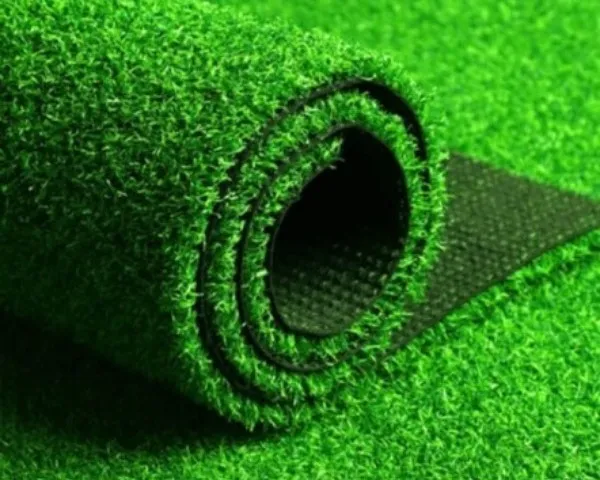
Artificial grass offers a practical way to introduce greenery into spaces where maintaining a natural lawn may be difficult. It does not require watering, mowing, fertilising, or seasonal reseeding, making it useful for urban properties with limited landscaping resources.
In Gurugram, artificial grass is commonly installed on apartment balconies, terraces, rooftop cafés, office breakout areas, play zones, and decorative landscapes. However, choosing solely by colour or price can lead to poor drainage, uncomfortable surfaces, and premature flattening.
Start With the Intended Application
Different spaces require different product specifications. A decorative balcony receives less traffic than a children’s play area or commercial terrace. The grass should therefore be selected according to how frequently the surface will be used.
Common applications include:
- Balconies, terraces, entrance areas, display zones, office recreation spaces, children’s play areas, and pet-friendly corners
- Rooftop cafés, event venues, vertical décor, pathway borders, poolside landscaping, and shaded outdoor seating areas
Compare Pile Height and Density
Pile height refers to the length of the grass fibres. Shorter fibres generally offer easier cleaning and better resistance to flattening. Medium-height grass provides a balanced combination of softness and natural appearance. Very long fibres may look luxurious initially but can require more brushing and upkeep.
Density also affects performance. Closely stitched fibres often create a fuller appearance and handle regular use more effectively. Product samples should be viewed from different angles because fibre direction influences how the final installation looks.
Check Drainage Before Installation
Artificial grass is not a solution for existing water accumulation. The base must allow water to drain correctly, particularly on terraces and balconies during Gurugram’s monsoon season.
Blocked outlets, uneven slopes, and poorly sealed surfaces should be addressed before installation. Water trapped beneath the grass may create odour, dampness, or maintenance problems. Outdoor products should have perforated backing that supports efficient drainage.
Evaluate Heat and Sun Exposure
Synthetic grass can become warm under direct summer sunlight. Lighter shades, shaded positioning, and occasional water spraying may improve comfort. Areas intended for barefoot use should be evaluated carefully before the material is finalised.
UV-resistant fibres are important for exposed rooftops and balconies. Without suitable protection, prolonged sunlight may gradually affect colour and fibre strength.
Ask These Questions Before Buying
A useful evaluation should cover:
- Is the product intended for indoor decoration or outdoor exposure?
- Can its backing drain rainwater effectively?
- Will it withstand the expected level of foot traffic?
- Is the surface comfortable for children or pets?
- What cleaning and brushing will it require?
Plan for Routine Care
Artificial grass requires less maintenance than a natural lawn, but it is not completely maintenance-free. Dust, leaves, food particles, and pet hair should be removed regularly. Occasional brushing helps lift flattened fibres and maintain a consistent appearance.
Dels Decor can help Gurugram property owners compare artificial grass based on pile height, density, drainage, and actual usage. Request product samples for the intended area before finalising the surface.
Keywords