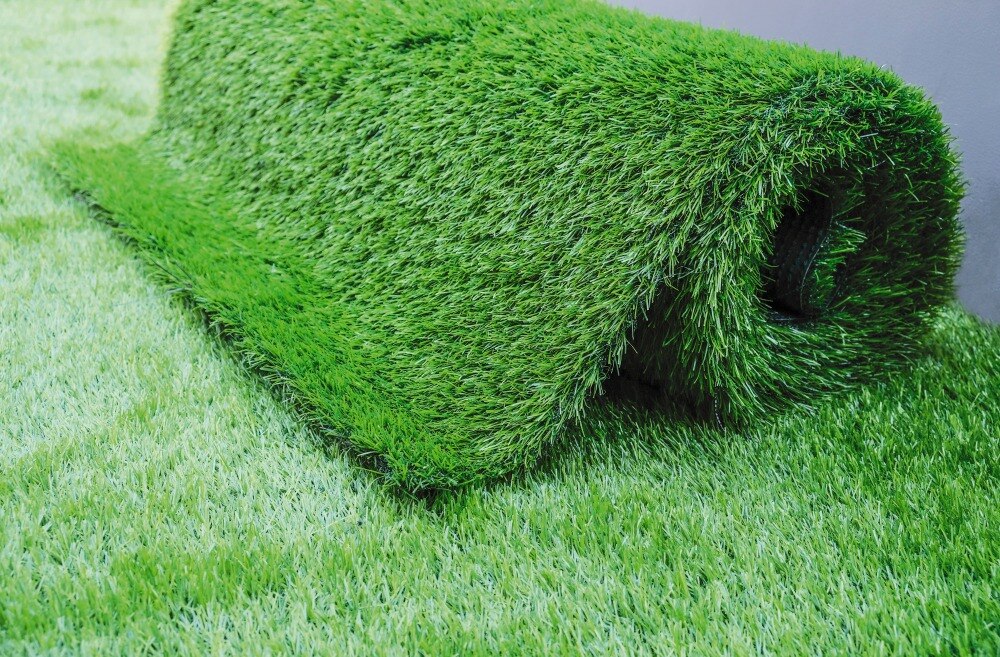
A balcony or terrace can look green without the mowing and irrigation of natural turf, but artificial grass will not repair waterproofing, create a drain or stay comfortable in every kind of sun. By the end, you will know how to assess the surface, choose a pile and backing, plan installation, maintain the finish and decide when another floor is safer or more practical.
Key takeaways
- Choose a 25 mm pile for compact balconies with furniture and frequent foot traffic.
- Leave drainage routes clear and avoid fixing turf through a waterproofing membrane.
- Rinse dust and spills promptly; use shade and ventilation to reduce surface heat.
- Compare UV resistance, backing, warranty terms and the complete floor build-up before installation.
Choose the pile and surface for the way you will use the space
Choose a 25 mm pile for a small balcony or decorative strip where chairs, furniture legs and frequent foot traffic would flatten a taller finish. Use a height comparison before choosing appearance over maintenance.
| Pile height | Best use | Trade-off |
|---|---|---|
| 25 mm pile | Balconies, decorative strips | Easier brushing; less plush |
| 35 mm pile | Terraces with moderate foot traffic | Softer look without excessive flattening |
| 45 mm pile | Rooftops and lounge areas | More cushioning; needs regular brushing |
| 55 mm pile | Low-traffic display areas | Luxurious appearance; flattens under furniture legs |
The surface underneath matters more than pile height. Concrete, porcelain tiles, ceramic tiles and composite decking provide firm bases; interlocking deck tiles create a removable option. Waterproofed roofing needs an intact membrane and working falls, not turf hiding failed waterproofing.
- Use a drainage mat over sound concrete or tile when water must pass beneath the backing; investigate standing water before covering it.
- Use soil only after levelling, compacting and providing drainage; natural grass needs deeper maintenance, while artificial grass still needs a stable base.
- Add a certified shock pad over hard roofing for children; rubber flooring offers a safer play base than turf alone.
- Check direct sun, monsoon rain and wind exposure before selecting the backing and edge restraint. Dark turf is not a cool walking surface, and balcony load limits still apply.
- For pets, children and heavy foot traffic, specify cleanable, dense turf and keep outlets accessible. Outdoor rugs can trap moisture and debris.
Inspect, measure and install without compromising drainage or waterproofing
Keep the existing slab condition, slope and falls, drain location, and waterproofing inspection ahead of any turf order. Artificial grass is a finish, not waterproofing; hiding a defect makes leaks harder to find and repair.
1. Obtain building permissions and plan common-area protection before lifting rolls. Complete surface cleaning, then check parapet edges, door clearance, inspection covers, and drainage channels. The build-up must not obstruct a door swing, cover an access cover, or narrow a channel.
2. Confirm the water path and added weight. Record the backing’s drainage rate and drainage perforations; it is not automatically free-draining. Mark each drain and test whether existing falls carry water. Use a drainage grid where specified, never an impermeable layer over an outlet.
3. Follow the product’s acclimatisation instructions before dry laying. Base the quantity calculation on roll width, allowing offcuts for cuts and cutting around drains and columns. Keep pile direction consistent and join seams on a clean, flat surface; substrate movement makes seams visible.
4. Select underlay or shock pad only after checking load and drainage. A weed barrier is not a substitute for drainage. Use loose laying where permitted; secure the perimeter with edge trim and perimeter anchoring, then use seam tape for joining seams. Apply adhesive only when the membrane manufacturer approves compatibility; never drill through it.
Finish with a water-flow test and confirm drain access.
Keep the surface clean, cool, safe and usable
Sweep dust and leaves with a stiff broom, leaf blower or vacuum before grit reaches outlets. Remove food spills, bird droppings, pet waste and stains promptly; rinse with clean water, then use mild detergent only when the manufacturer permits it. Set rinsing frequency after rain, pets and pollution, and brushing frequency according to traffic.
This maintenance time prevents standing water, odour, algae, mould, mildew and moss, especially where poor ventilation slows drying. Use documented algae control rather than bleach or solvents.
| Surface | Maintenance comparison | Practical consequence |
|---|---|---|
| Natural turf comparison | Needs mowing, watering and soil care | Artificial grass saves routine irrigation but still needs cleaning |
| Tile comparison | Harder to stain and easier to hose | Grout, algae and wet-surface slip risk still need inspection |
| Decking comparison | Timber needs sealing and board cleaning | Turf avoids splinters but hides debris beneath its backing |
| Outdoor carpet comparison | Dries and cleans differently | Turf needs a clear drainage path, not a sealed underlay |
Direct sun causes heat retention; a dark pile beside a glass parapet can become uncomfortable through reflected sunlight. Add shade or choose a light-coloured pile, and check the surface before children play barefoot; footwear helps on hot or wet areas. Keep barbecue flames, cigarettes, hot ash, heaters and electrical equipment away.
For children, provide fall protection and supervise chewing and ingestion. For pets, confirm urine drainage and parasite control, rinse after accidents, and never assume “pet friendly” controls odour. Use furniture pads under legs and planters, move heavy items periodically, and avoid dragging them: pile crushing and melted fibres are permanent.
Verify performance claims, durability and the complete floor build-up
Ask for the technical data sheet, not a fibre sample alone. It should state UV stabilisation, density, stitch rate, 8,200 DTEX, water resistance, drainage rate, and an outdoor exposure test that explains colour fade and embrittlement. Density and stitch rate indicate construction quality, but neither prevents pile flattening under a busy commercial outdoor area.
| Evidence | What to verify | Why it matters |
|---|---|---|
| Backing specification | SBR latex, PP cloth backing, single backing layer, perforations and drainage rate | A sealed backing can leave urine or rain above the slab |
| Safety testing | Slip resistance and fire classification under EN 13501-1 | Fibre labels cannot prove performance |
| Complete system | Tested assembly covering backing, adhesive, underlay and orientation | An untested combination can fail the fire test |
Treat pet-safe claims and antimicrobial claims as prompts for evidence, not proof. Ask for cleaning chemistry, odour testing and continuous drainage; faeces still need prompt removal and rinsing.
Read service life alongside warranty exclusions, maintenance conditions and installation conditions. Intense reflected sunlight can exceed the stated exposure assumption. For a light-use balcony, a shorter warranty may suffice; for a busy commercial outdoor area, demand documented replacement criteria.
Before acceptance, reject visible seams, rippled edges, exposed backing, blocked drains, loose perimeter edges, sharp cut lines and inconsistent pile direction. Confirm adhesive compatibility and waterproofing manufacturer approval; never puncture the membrane without approval. Record removal, storage, replacement, disposal and waterproofing repairs in the installation plan.
Turn the assessment into a realistic installation decision
Give the installer a measured brief, not just a picture of the space. For a Gurugram balcony or New Delhi terrace, state whether it is a residential balcony, rooftop, or commercial outdoor area, and describe the intended use: pets, children, furniture, or foot traffic.
Include length and width measurements, irregular corners, drain positions, door thresholds, and photos showing the surface, edges and access covers.
- Record the access route, lift dimensions and staircase access; these determine roll handling and whether cutting into smaller pieces is needed.
- Ask for the site assessment to confirm falls, drainage, surface preparation, membrane condition and clearance at door thresholds.
- Request an installation quotation that separates grass, underlay, joining materials, infill, labour and disposal, and states the estimated installation time.
- Ask the installation plan to mark perimeter restraint and seam location, with pile direction shown.
- Provide the building’s allowable load information, or ask an engineer to check dead load, including underlay, edging, infill and retained rainwater.
Dels Decor can use this information to plan a site-specific build rather than price a roll alone. Require written confirmation that the system will not cover drains, obstruct doors, puncture waterproofing, or block maintenance access; a low price is not useful if a leak or drainage failure follows.
Related product
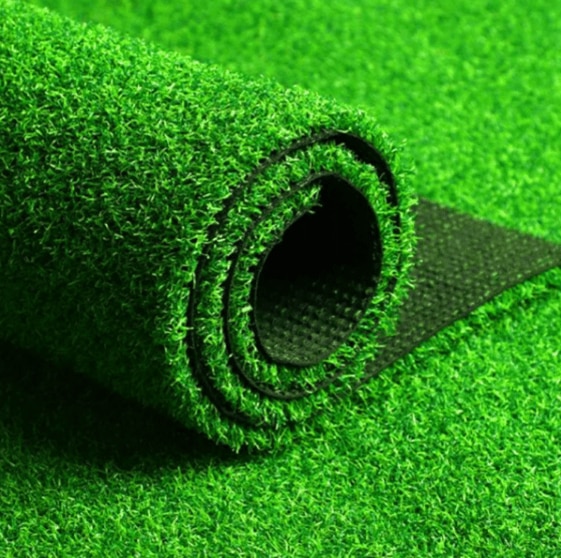 | Artificial Grass ₹50 Size – 25mm to 55mm Gauge – 3/8′′ Stitches – 13/10cm ±3% Density – 13650/m2 ±3% DTEX – 8200 Backing – PP CLOTH + SBR LATEX + Single Layer Features:... View product → |
Frequently asked questions
Which artificial grass pile height suits a balcony or terrace?
Choose a 25 mm pile for a small balcony, decorative strip, furniture legs or frequent foot traffic. Taller piles create a fuller appearance but flatten more easily under repeated loading.
How do you install artificial grass without damaging drainage or waterproofing?
Inspect the slab, measure the area and identify drains before installation. Keep outlets and drainage routes open, and do not drill through the waterproofing membrane. Use a suitable build-up that allows water to reach the drain.
How do you keep artificial grass clean, cool and safe?
Remove leaves and debris, rinse dust and spills promptly, and brush flattened areas. Provide shade and airflow where possible because synthetic surfaces heat up in direct sun. Check edges, seams and transitions for trip hazards.
What should you verify before buying artificial grass?
Check the stated pile height, backing construction, UV-resistance claim, drainage performance, warranty exclusions and expected wear. Assess the complete floor build-up, including the slab, waterproofing, drainage layer, underlay and turf.