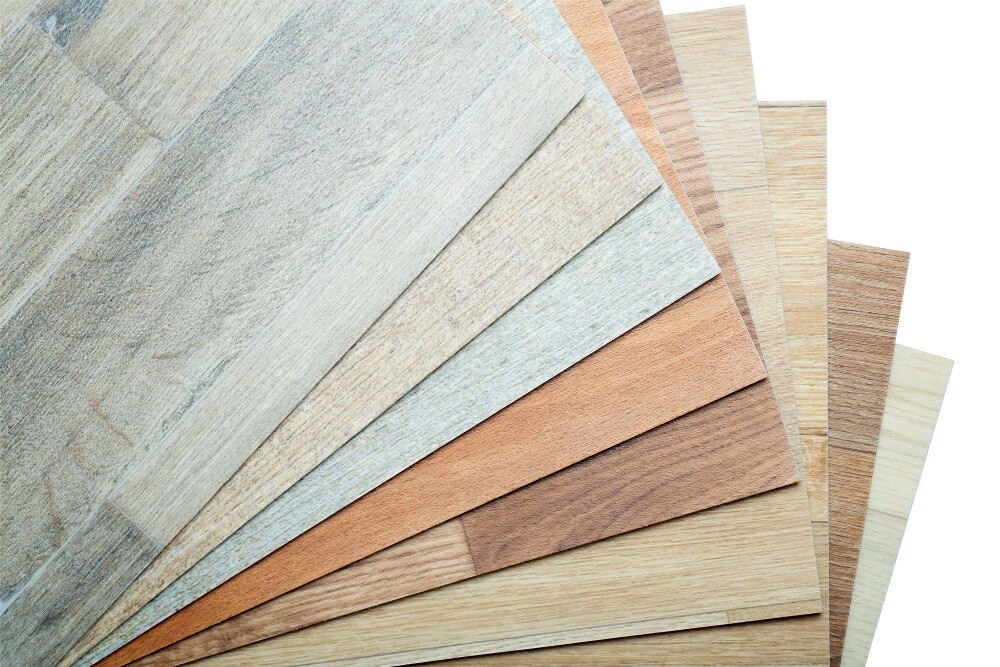
High traffic does not damage every floor in the same way: grit abrades surfaces, chair casters create rolling loads, furniture leaves point indentations, and water exploits the weakest seam. By the end, you will be able to match sheet, tile, or plank vinyl to the traffic pattern, compare wear layers and use classes, and identify the installation and maintenance details that determine whether the floor keeps its appearance.
Key takeaways
- Choose sheet vinyl for continuous coverage and fewer seams.
- Use modular vinyl where individual damaged sections need fast replacement.
- Match the wear layer and use class to foot traffic and furniture loads.
- Treat seams, subfloors and edges as part of waterproofing—not just the planks.
Which vinyl format fits your traffic pattern?
Choose sheet vinyl for continuous, easy-clean coverage; choose modular flooring when damaged areas need quick replacement. The right format depends on whether your main risk is spills, scratches, moving furniture, or concentrated entry traffic.
| Format | Response to traffic | Best fit and trade-off |
|---|---|---|
| sheet vinyl | Few field joints help contain spills from children, pets, and commercial entry traffic. It feels resilient underfoot, but heavy furniture, point loads, and unsuitable casters can indent or gouge it. | Large rooms, healthcare-like cleaning routines, and spaces where seamless-looking coverage matters. Seams, edges, drains, and penetrations still need correct detailing. |
| luxury vinyl tile (LVT) | Handles foot traffic, pets, and everyday furniture well when the product suits the use. Individual tiles can be replaced after a scratch or gouge, but extra joints collect grit and replacement pieces can differ after fading. | Offices, retail areas, and rooms needing repairable modules. Chair casters and rolling loads still demand a suitable product and floor protector. |
| luxury vinyl plank LVP | Performs like LVT under people, pets, and furniture while imitating wood in plank form. Long joints can admit spills if poorly installed, and moving heavy furniture can stretch, chip, or separate planks. | Homes, offices, and commercial areas where appearance matters. Use entrance mats and controlled furniture movement at busy doors. |
For high-volume commercial entries, prioritize cleanable joints, stable transitions, and casters rated for resilient flooring. Sheet vinyl reduces joint exposure; LVT and LVP reduce replacement disruption.
How do wear layers and use classes affect service life?
Choose thickness and use class together: the wear layer resists surface abrasion, while the backing, surface treatment, installation and traffic determine whether the floor survives dents, scratches, stains, fading and rolling loads.
| Wear layer | What it helps with | Selection guidance |
|---|---|---|
| vinyl wear layer 0.2 mm | Light abrasion and everyday residential use | Choose it for bedrooms or low-traffic rooms, not busy entrances or wheeled work areas. |
| 0.3 mm wear layer | Greater resistance to grit, scuffing and routine movement | Suits active homes, children, pets and moderate traffic when maintenance is consistent. |
| 0.5 mm wear layer | Better protection against repeated abrasion and commercial wear | Consider it for busy corridors, shops and offices, then verify the product’s rolling-load rating. |
Match the product to the ISO 10874 class printed in its technical data sheet. ISO 10874 Class 23 indicates heavy domestic use; Class 32 covers general commercial use; Class 33 is intended for heavier commercial traffic. Do not treat “commercial” on a sales label as a sufficient specification.
Check the caster type and load limit before placing office chairs, carts or display units. Heavy furniture can indent resilient vinyl, point loads can telegraph through it, and unsuitable casters can gouge or stretch the surface.
Choose a stable backing, use protective glides, and control tracked-in grit with entrance matting; thicker vinyl does not prevent scratches or dulling when sand remains underfoot.
When is vinyl water-resistant rather than a waterproof floor assembly?
Waterproof vinyl flooring usually describes the flooring material under specified conditions, not a waterproof room. Water can still pass through vinyl flooring seams, perimeter gaps, floor drains, penetrations, and poorly sealed transitions, then damage the assembly below.
Before using vinyl in a spill-prone or flood-exposed room, check these points:
1. Confirm the joint detail. Sheet vinyl can reduce field joints, but its welded seams still need correct installation. LVT and LVP joints must be fully engaged, undamaged, and installed exactly as the manufacturer specifies.
2. Inspect edges and penetrations. Seal or detail walls, door thresholds, pipes, columns, floor outlets, and drains with compatible materials. A waterproof plank cannot stop water entering through an unsealed perimeter.
3. Test the subfloor for subfloor moisture before installation. Excess moisture, cracks, debris, unevenness, or adhesive ridges can cause bond failure, visible joints, and damage beneath the vinyl. Follow the product’s moisture limits and testing method.
4. Treat transitions as weak points. Check bathrooms, kitchens, laundry areas, and doorways for height changes, movement, and open gaps. A transition strip alone does not create a waterproof seal.
5. Define the water exposure. Vinyl may handle routine spills after correct installation, but standing water or a flood can reach the subfloor through joints and edges. Flood-exposed rooms need a complete waterproofing and drainage design, not a flooring product described as waterproof.
What maintenance keeps high-traffic vinyl clean and presentable?
A workable vinyl flooring cleaning routine removes grit daily, because tracked sand abrades the wear layer and leaves dull traffic lanes. Sweep or vacuum with a non-beater-bar setting, then damp-mop with clean water and a manufacturer-approved, pH-neutral cleaner. Wipe spills promptly instead of letting dyes, oils, or disinfectant dry into the surface.
Control what enters the building before cleaning becomes a repair issue:
- Install walk-off mats at every entrance and clean them before they become grit reservoirs.
- Choose vinyl-compatible mats; rubber-backed mats, asphalt, and certain dyes can stain or discolor vinyl during prolonged contact.
- Use felt or non-staining furniture glides, and lift furniture instead of dragging it across the floor.
- Keep unsuitable casters, metal edges, and sharp point loads off the surface.
- Select a product with FloorScore certification when indoor-emissions documentation matters; that certification does not prove chemical, stain, or slip resistance.
| Method | Use | Avoidable damage |
|---|---|---|
| Dry removal | Daily sweeping or vacuuming | Grit scratches and dulls the finish |
| Damp mopping | Routine soil and spill removal | Excess water can enter seams or edges |
| Automatic scrubbing | Large commercial areas, with compatible pads and cleaner | Abrasive pads and excess detergent leave wear or residue |
| Steam mop on vinyl | Use only when the flooring manufacturer expressly permits it | Heat and moisture can affect finishes, adhesives, seams, or backing |
Never use solvent cleaners, abrasive powders, bleach concentrates, or incompatible polish. Test any disinfectant in an inconspicuous area and follow its stated dilution and contact time.
How does vinyl compare with other high-traffic flooring, and how should you specify it?
Vinyl is the better high-traffic choice when you need resilient underfoot comfort, easier cleaning, and faster replacement than a monolithic floor; it is worse where point loads, dragging furniture, or extreme heat can indent, gouge, or distort it.
| Option | Strength against vinyl | Choose the alternative when |
|---|---|---|
| vinyl versus ceramic tile | Warmer, quieter, and less vulnerable to chipped edges | You need maximum heat resistance or a rigid surface for severe point loads |
| vinyl versus laminate | Better tolerance of spills and wet cleaning | The room stays dry and scratch resistance matters more than water protection |
| vinyl versus engineered wood | Lower maintenance and fewer concerns about surface moisture | Natural wood repairability and appearance justify greater care |
| vinyl versus carpet tile | Easier soil removal and better spill response | Acoustic absorption, warmth, or individual tile replacement matters most |
| Polished concrete | Handles heavy loads and does not dent | You accept a hard, cold surface and a more disruptive installation |
Put these items in the purchase and installation brief:
- Sheet, LVT, or LVP; required wear layer; ISO 10874 use class; and suitability for office-chair casters or trolley loads.
- Subfloor moisture limits, flatness tolerance, crack treatment, adhesive, acclimation, and installation temperature.
- Seam, perimeter, drain, transition, and penetration details; “waterproof” flooring does not make the entire assembly waterproof.
- FloorScore certification for the flooring and adhesive, rather than relying on odour.
- Spare cartons or replacement-plank availability, plus the batch or dye-lot number.
Ask Dels Decor to record those technical details and the replacement plan in the quotation, not just the colour and area.
Frequently asked questions
Which vinyl format fits a high-traffic area?
Choose sheet vinyl when continuous coverage, fewer seams and easy cleaning matter most. Choose modular vinyl when you need to replace individual damaged tiles or planks quickly.
How do wear layers and use classes affect vinyl flooring service life?
A thicker wear layer gives better resistance to abrasion, scratches and repeated traffic. Check the manufacturer’s use class and match it to the space, such as residential, commercial or heavy commercial use.
Is vinyl flooring waterproof?
Vinyl itself resists water, but the complete floor assembly depends on sealed joints, perimeter edges, transitions, adhesive and a suitable subfloor. Sheet vinyl offers fewer seams than modular formats.
What maintenance keeps high-traffic vinyl presentable?
Remove grit with frequent sweeping or vacuuming, clean spills promptly, use the manufacturer’s recommended neutral cleaner and place entrance mats where outdoor dirt enters.
How should you specify vinyl flooring for a busy space?
Specify the format, wear-layer thickness, use class, slip-resistance information, subfloor preparation, adhesive, seam treatment, transition details and maintenance requirements.