A curtain rod can bend, pull away from the wall, or block part of the glass when its diameter, supports, projection, and fixings do not match the curtain. By measuring the window, calculating the complete curtain load, and matching each bracket to the wall, you can choose a rod that operates smoothly and suits the room’s proportions.
Key takeaways
- Add extension beyond both sides of the window before sizing the rod.
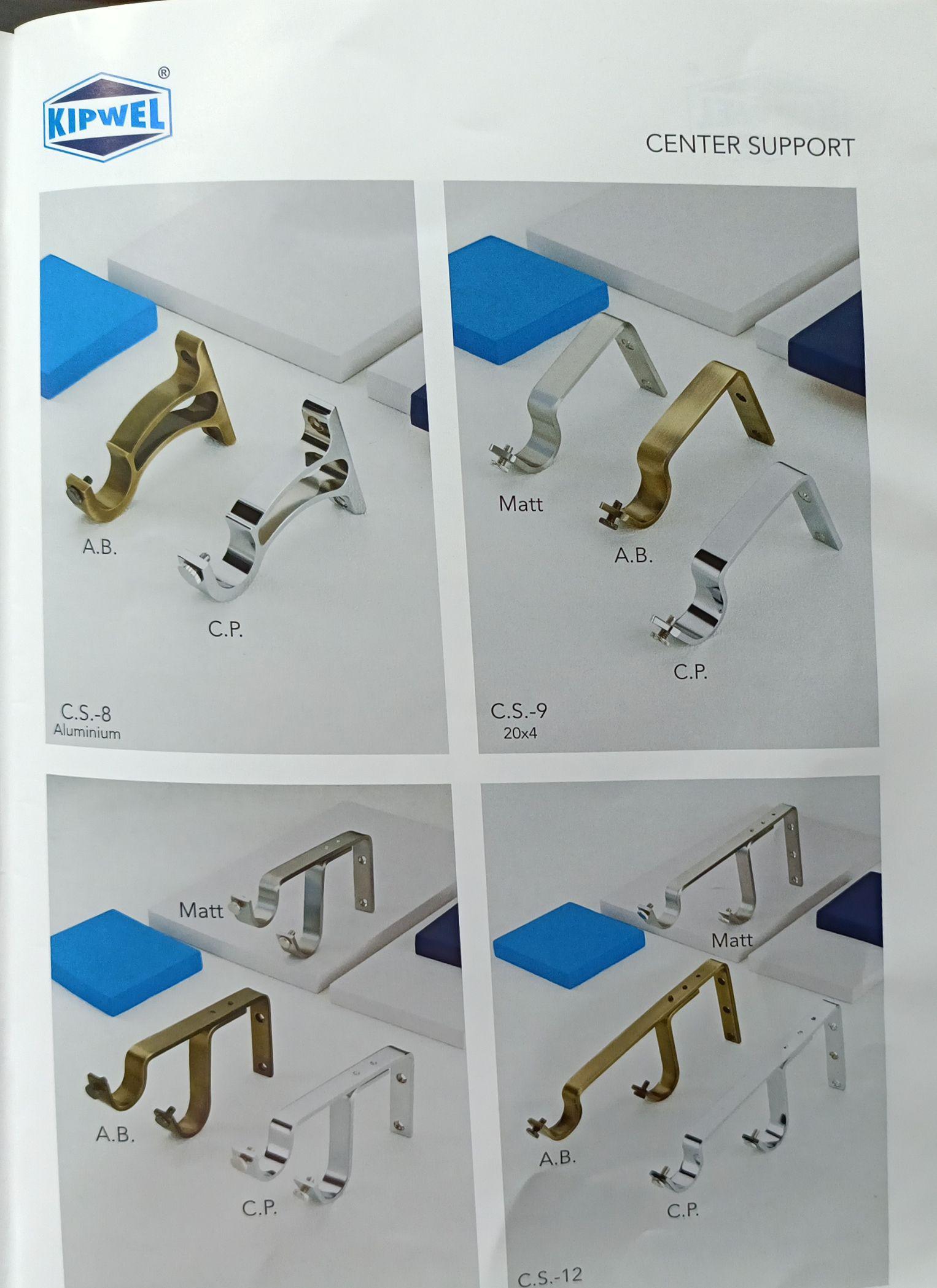
- Use a centre bracket for wide rods or heavy curtains to prevent sagging.
- Match wall plugs and screws to the wall material and curtain load.
- Position brackets above and outside the frame for clearance and fuller folds.
How do you size a curtain rod for the window and curtain load?
Size the rod as a system: length, curtain rod diameter, rod wall thickness, and material must match the load, not just the window width. Measure the opening, then add the desired extension beyond both sides.
Leave enough side space for the opened panels to stack beside the glass; blackout, velvet, and lined curtains need more stack-back space than sheers. Add side returns when the fabric must sit close to the wall and reduce light leakage.
Use this curtain fullness calculation before choosing the rod:
- Multiply the rod width by about 1.5 to 2.5, based on fabric weight and heading style.
- Estimate total load from fabric, lining, heading tape, rings, hooks, brackets, and finials.
- Compare the manufacturer’s maximum curtain rod span, diameter, wall thickness, and load rating. Accept that rating only with the specified brackets and fasteners.
A thin hollow rod can bend beneath heavy fabric even when its finials look substantial. For a telescoping rod, place the centre support under the overlapping section, where the rod is least flexible.
| Material | Strength and behaviour | Suitable use |
|---|---|---|
| Stainless steel | Corrosion-resistant and rigid | Humid rooms or heavy curtains |
| Aluminium | Light and rust-resistant | Moderate loads with adequate diameter |
| Mild steel | Strong with many finishes | Heavy curtains when protected from moisture |
| Wood or plastic | Warm appearance or low weight | Short spans and lighter fabrics |
When does a curtain rod need a centre bracket or extra supports?
Install an intermediate support when the rod length, curtain weight, or manufacturer’s span limit makes the end brackets insufficient. For ordinary curtains, curtain rod support spacing of roughly 4 to 6 feet is a practical starting point; heavy fabrics need closer spacing and hardware with a verified load rating.
| Curtain system | Support and load behaviour | Movement across the window |
|---|---|---|
| Decorative pole | Centre support bracket required within the rated span; fix it to framing, a header, or a load-rated anchor. | Standard rings can stop at the bracket, leaving part of the window covered. |
| Traverse rod | Distributes repeated pulling forces through carriers and a track. | Panels open by cord or wand and clear an intermediate support. |
| Ceiling-mounted track | Suits very wide windows, theatrical-weight fabric, and heavy layered curtain hardware; fixing quality is critical. | Smooth, continuous movement with less decorative pole visible. |
A blackout curtain rod support often needs closer spacing than a lightweight sheer because blackout, lined, velvet, and layered curtains put more load on the rod. A centre bracket prevents sagging only when its fixings reach a suitable structural point.
If the curtains must open fully, split the panels, use rings that pass the support, or choose a traverse or bypass-style system. Select that system before buying fabric so the support layout, panel width, and opening direction work together.
Which wall fixing can safely carry a curtain rod?
A curtain rod wall fixing is safe only when the bracket enters a wall stud, structural header, or an anchor rated above the combined weight of the rod, brackets, rings, hardware, and fabric. A decorative rod can be strong while its fixing pulls out.
| Wall condition | Suitable fixing | What to avoid |
|---|---|---|
| Wood framing | Stud-mounted screws into the stud or header | Plaster, trim, or a loose screw |
| Brick and concrete | Brick and concrete fasteners, such as masonry screws or suitable plugs | Drywall anchors |
| Plasterboard or drywall | A drywall curtain rod anchor rated above the complete load | An unrated generic plastic plug |
| Tile-backed wall | Fasteners designed for the tile and substrate behind it | Fixing only into the tile |
| Plaster over lath, hollow partition, aluminium-framed opening, or weak hollow trim | A specific fixing strategy or a mounting board secured to several structural points | Assuming the surface will carry the bracket |
Find the load-bearing point with a stud finder, a small inspection hole, or building plans. Check for wiring and pipes before drilling; a failed search can damage the building as well as the curtain.
During load-bearing bracket installation, follow the fastener manufacturer’s hole size and embedment instructions. The rod’s advertised capacity does not compensate for a failed anchor. If no stud or header aligns with the bracket, use a correctly rated hollow-wall fixing or install a mounting board across several structural points.
How should you position and install brackets around the window?
Set both brackets at the same curtain rod bracket height, and mark every screw hole before drilling. Uneven marks produce a sloping rod and force the fabric to hang inconsistently.
1. Position the rod high enough to make the window look taller, while leaving space for the ceiling, blinds, trim, and the bracket’s installation footprint. There is no universal height.
2. Extend the rod beyond both sides of the frame far enough for each panel to stack beside the glass. Thick or full curtains need more stack-back space than lightweight sheers.
3. Check the curtain rod projection with the curtain hanging. Use longer brackets when the window handle, deep casing, shutters, or radiator would touch the fabric; insufficient projection causes rubbing, poor closing, and extra leverage on the bracket.
4. For blackout or room-darkening curtains, consider return rod installation or wraparound brackets to reduce side light. Measure adjacent walls and trim first, because these fittings need extra side space and can conflict with handles or blinds.
5. Before tightening the final screws, confirm that the rod is level and each bracket sits firmly. Check window handle clearance, ensure rings pass the supports when required, and verify that finials do not stop the panel at its usable end position.
Which rod material and design suit your room and daily use?
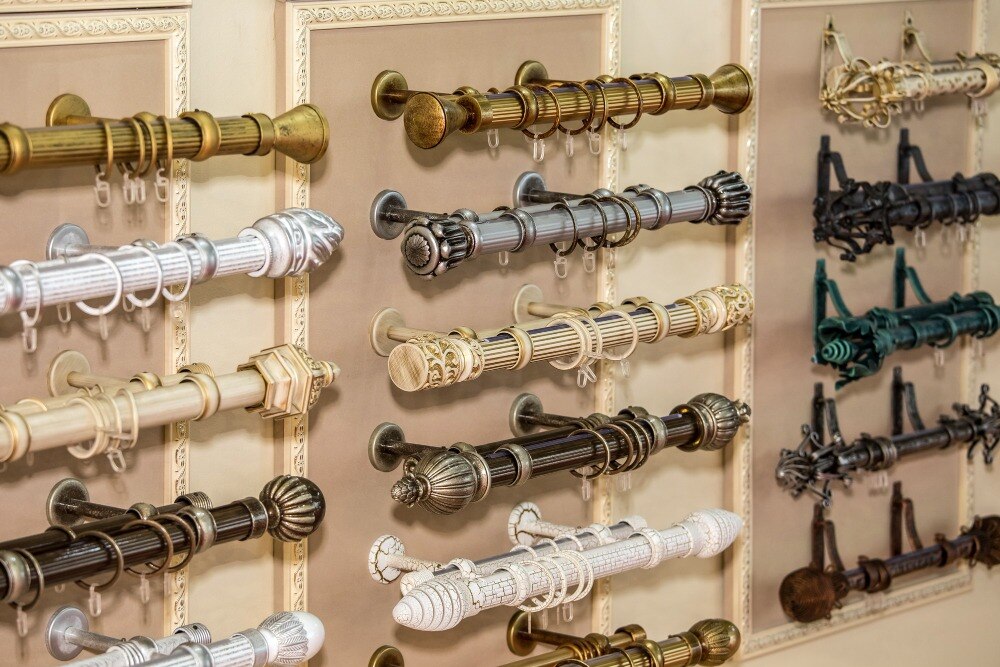
A stainless steel curtain rod suits humid rooms and frequent use; aluminium works where low weight matters, but its diameter must provide enough rigidity. Compare the options by performance, not colour alone.
| Material | Stiffness | Corrosion resistance | Appearance and maintenance |
|---|---|---|---|
| Stainless steel | High; suitable for heavier curtains | Resists rust in humid rooms | Clean, durable finish; wipe dust and moisture |
| Aluminium | Light and moderately stiff; diameter matters | Corrosion-resistant | Modern appearance; easy to clean |
| Mild steel | Strong and suitable for long spans | Needs protection from moisture | Many finishes; inspect coatings for chips and rust |
| Wood | Depends on species, diameter, and span | Can swell or finish poorly with moisture | Adds warmth; dust and refinish as needed |
| Plastic | Light; suits lighter curtains unless load-rated | Does not rust; can become brittle | Easy to clean; check the product rating |
Use this wooden curtain rod comparison when warmth matters more than maximum span, and select extra supports rather than assuming a thick-looking pole is stiff. Match the finish to door handles, lighting, or furniture.
Check the usable rod length after fitting the finials. Oversized ends can stop rings or panels before they clear the glass; low-profile finials suit narrow windows. For full opening, use passing rings, returns, or a track.
Dels Decor can assess curtain weight, wall substrate, projection, and finish together. Ask for the span, load rating, specified fasteners, and support plan before approving the design.
Related products
 | CURTAIN ACCESSORIES FINIALS ₹250 Beautiful Doom Curtain Brackets with Support Brackets Inclusive of 1 Pair Curtain Bracket. |
 | CURTAIN ACCESSORIES BRACKET ₹250 Beautiful Doom Curtain Brackets with Support Brackets Inclusive of 1 Pair Curtain Bracket. |
Frequently asked questions
How do you size a curtain rod for the window and curtain load?
Measure the window opening, add the planned extension on both sides, then match the rod diameter, wall thickness, and material to the curtain weight. Heavy or layered curtains need a stronger rod than lightweight sheers.
When does a curtain rod need a centre bracket or extra supports?
Add a centre bracket when the rod is wide, carries heavy or layered curtains, or begins to sag. Use additional supports when the span or load exceeds the rod manufacturer’s stated capacity.
Which wall fixing can safely carry a curtain rod?
Choose the fixing for the wall: masonry plugs and screws for brick or concrete, hollow-wall anchors for plasterboard, and screws driven into a stud where available. Do not rely on a generic plug for every surface.
How should you position and install brackets around the window?
Place brackets level, above the frame and far enough outside it for the curtains to clear the glass and stack beside the opening. Mark every hole, check for pipes and cables, drill to the fixing size, and tighten without crushing the wall surface.
Which rod material and design suit your room and daily use?
Choose steel or another rigid material for heavier curtains and frequent movement, and select a finish that suits the room. Telescopic rods simplify sizing, while fixed rods provide stronger, more stable support when cut accurately.