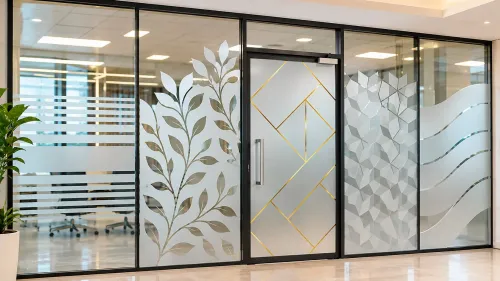
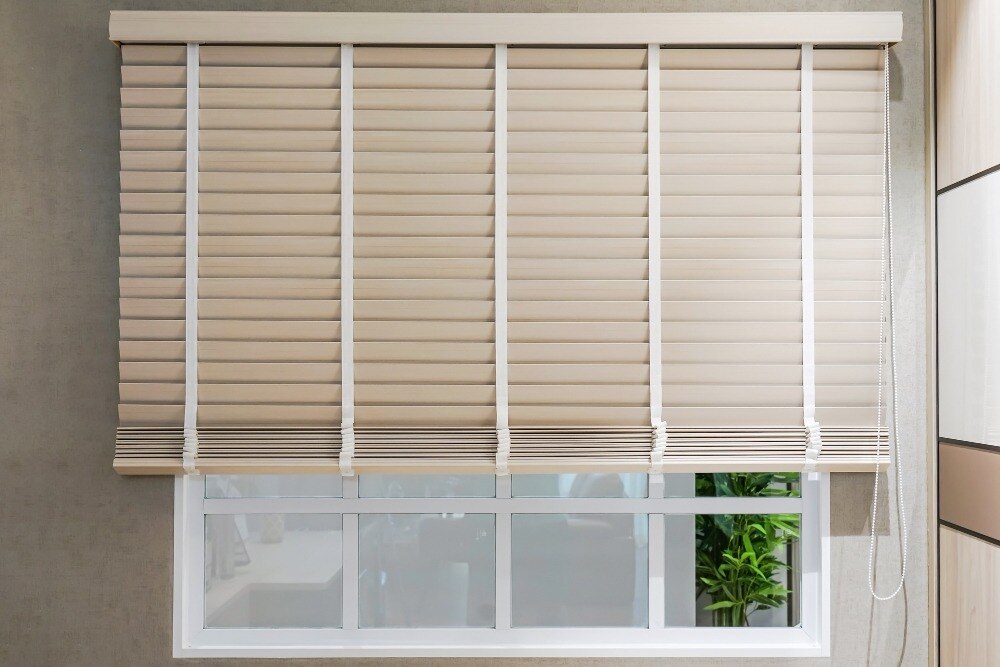
Choosing a blind is not only a question of colour or style: the fabric, slat angle, mounting position, and window direction determine how much glare, heat, daylight, and night-time visibility you get. By comparing these performance details with your room, window size, and daily routine, you can select a treatment that offers useful control instead of simply making the glass darker.
Key takeaways
- Choose blackout blinds for near-total darkness and screen-friendly blinds for glare control.
- Match blind material and openness to the room’s window direction and privacy needs.
- Adjust slat angle, fabric openness, and blind position to manage changing daylight.
- Check measurements, operation, child safety, and installation before ordering.
Start with the light and privacy result you need
Decide whether you need glare reduction, filtered daylight, a clear view, privacy, or near-total darkness before comparing blind types. “Better light control” is not one target: a home office may need a readable screen, while a bedroom may need darkness at 6 a.m.
1. Set the brightness goal. Choose filtered daylight, strong glare reduction, or room-darkening performance. If you need near-total darkness, specify blackout blinds and shades, then check for edge gaps because fabric alone does not stop light escaping around the sides.
2. Separate daytime privacy from night privacy. A translucent shade can diffuse faces and direct views during the day, yet reveal silhouettes or movement when indoor lights are on. For dependable night privacy, choose an opaque treatment, shutters, or a blind layered with curtains.
3. Decide whether you need outside visibility. A solar screen with a 1%, 3%, or 5% openness factor preserves different amounts of view-through; lower openness usually reduces glare while limiting the view.
4. Account for sun direction and season. East and west windows bring low-angle glare, while a treatment that blocks summer sun can also remove useful winter warmth.
Write these targets down for each window, including the room’s lighting after dark. Then compare blind types against the same requirements instead of choosing by colour or appearance alone.
How the main blind types control daylight and glare
Choose by the control mechanism: fabric position, alternating bands, folds, slat angle, panel movement, or exterior screening. That choice determines whether you get filtered daylight, directional glare control, near-blackout, or a fully open window.
Type | Daylight and glare control | Privacy and practical trade-off Roller blinds | Plain fabric rolls up; sunscreen fabric cuts glare while preserving views, while blackout fabric darkens strongly. Side gaps still leak light.
Zebra blinds and dual blinds | Alternating sheer and opaque bands shift between filtered light and privacy; alignment is not blackout. Roman blinds and shades | Folds soften the room; lining or blackout fabric darkens well, but folds and edges leak more than side-channel shades.
Venetian blinds | Tilting horizontal aluminium, wood, or composite slats aims daylight and glare; holes, gaps, and side gaps prevent inherent blackout. Vertical blinds | Rotating vanes suit wide windows and sliders and stack aside; gaps and drafts reduce darkness.
Wooden blinds | Wooden slats give Venetian-style angle control with a warmer finish; they still admit edge and slat-gap light. Panel-track blinds | Sliding fabric panels cover broad openings and stack neatly; overlap controls glare, but panels do not seal like blackout rollers.
Outdoor blinds | Exterior screens stop sun before glass, reducing glare and heat; night privacy depends on interior lighting and fabric opacity.
Sheer or translucent materials diffuse views rather than hiding them: silhouettes and movement can show at night when lights are on. Choose opaque fabric, shutters, or layered coverings for dependable night privacy.
Match the blind to the room and window direction
Choose the room’s failure point first: a bedroom needs darkness, a bathroom needs moisture resistance, and a street-facing window needs privacy without sacrificing all daylight.
| Room or window | Features to prioritise | Suitable choices |
|---|---|---|
| Bedroom | Opaque or blackout fabric, edge overlap, quiet operation; translucent fabric can reveal silhouettes at night | Blackout roller, lined Roman, or layered blind and curtain |
| Living room | Adjustable daylight, glare reduction, and a clear view when raised | Roller, zebra, Roman, or Venetian blind |
| Bathroom | Moisture-resistant synthetic or composite material; avoid untreated wood in persistently damp rooms | Moisture-rated roller, faux-wood Venetian, or outdoor blind |
| Kitchen | Wipe-clean surface, heat-aware placement, and resistance to steam and grease | Aluminium Venetian or moisture-rated roller |
| Office | Glare control without making the screen area dark; easy slat or fabric adjustment | Venetian, solar roller, or zebra blind |
| Street-facing window | Privacy at eye level while retaining upper daylight | Top-down/bottom-up shade or opaque roller with outside mount |
| Large sliding door | Wide coverage, easy side stacking, and clearance for handles | Vertical or panel-track blind; use an opaque roller where complete darkness matters |
East- or west-facing rooms with low-angle sun need stronger glare control than shaded north-facing rooms. Inside mounts preserve trim but leave edge gaps; outside mounts overlap the recess and improve privacy. For bedroom blinds and bathroom blinds, confirm the material rating rather than trusting the product label alone.
Kitchen blinds and office blinds also benefit from wipe-clean finishes.
Use orientation, fabric, and slat settings to manage glare
Choose the fabric for the sun direction, then use the blind’s angle to correct glare at eye level. A lower openness factor in solar screen shades—1% rather than 3% or 5%—cuts more glare and reduces daytime view-through, but it also darkens the room.
Solar shades do not provide reliable night privacy; use blackout fabric, shutters, or a blind-and-curtain layer when indoor lights reveal silhouettes.
| Direction | Fabric and colour | Slat or shade setting |
|---|---|---|
| East-facing | Choose 1%–3% openness, dense fabric, and a light or reflective backing for strong morning sun. | Close Venetian slats and tilt them to send low-angle rays outward; lower the shade before sunrise. |
| West-facing | Use 1% openness or a lined, dense fabric. A pale exterior and reflective coating limit afternoon heat better than a dark fabric. | Keep slats nearly closed and adjust them as the sun drops. |
| South-facing | Choose 3%–5% openness for useful daylight, or 1% for severe glare. Reflective blinds help in hot climates. | Tilt slats to reject high summer sun, then open them during low winter sun. |
| North-facing | Use 5% openness or a lighter translucent fabric for daylight and views. | Keep slats open; add a privacy layer if the window faces neighbours. |
Translucent fabric diffuses views but can show movement at night. Test the angle from your usual chair, because glare reduction depends on eye height as well as the sun’s position.
Know when blinds are better than curtains, film, or louvers
Choose blinds when you need to change privacy, glare, and daylight throughout the day rather than accept a fixed treatment. Blinds versus curtains usually means cleaner sightlines and finer adjustment, while curtains offer softer coverage and simpler replacement.
| Option | Adjustability, heat control, and views | Cleaning, replacement, and installation |
|---|---|---|
| Blinds | Tilt, raise, lower, or screen glare; solar heat control depends on fabric, colour, and fit; raise them for a full view. | Dust or wipe slats and fabrics; replace individual blinds; precise measuring and brackets take moderate effort. |
| Curtains | Open or close fully; lined curtains reduce heat and glare, but cannot fine-tune sunlight while closed. | Remove and wash or replace easily; rod or track installation is straightforward. |
| Solar-control film | Fixed heat and glare reduction while preserving a filtered view; no privacy change by hour. | Clean like glass; replacement requires removing adhesive and refitting film; professional application gives the cleanest finish. |
| Decorative window film | Fixed privacy or pattern, with limited heat control and reduced views. | Wipe clean; peel-and-replace maintenance is simple; installation needs careful glass preparation. |
| Louvers | Rotate for directional shade, strong ventilation, and angled views; exterior louvers reduce heat best. | Dust-prone and harder to clean; parts can be replaced; fitting requires more structural work. |
Choose blinds when seasonal control matters; choose film for a low-profile, always-on solution.
Check fit, operation, safety, and installation before ordering
Measure the opening, not just the glass. Record width at the top, middle, and bottom, plus height at both sides and the centre; use the smallest width for inside mount blinds. Check recess depth, window handles, locks, vents, grilles, and whether the sash opens inward.
1. Choose inside-mount blinds only when the recess is deep and square enough for the headrail. Choose outside-mount blinds when you need to cover the frame or reduce side light; confirm clear wall space above and beside the window.
2. Confirm the blind’s finished width, drop, stack position, fabric openness, privacy level, and whether “blackout” includes a cassette, side channels, or overlap. Translucent fabric can reveal silhouettes at night.
3. Specify cordless blinds or motorized blinds where children use the room. Ask for the current applicable child-safety standard, not merely “child-safe” wording, and check battery access, charging, remote control, and manual override for motorized systems.
4. Verify bracket type, fixing surface, power point, drilling access, and removal of existing fittings. Dels Decor can check these clearances before installation, preventing a blind that collides with a handle or cannot open fully.
Related products
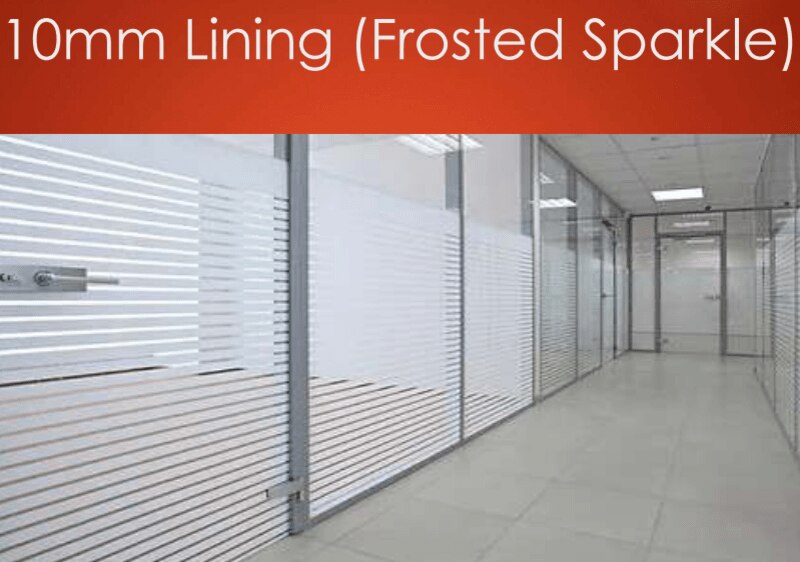 | Glass Decorative Film ₹60 Decorative Glass Films are a great value addition to the looks & interiors. It is preferred because 1) There are 100s of designs in glass films. View product → |
 | Curtain Cloths ₹470 Wholesale – Premium Fabric Collection by Dels Decor Dels Decor offers an exclusive range of curtain cloths wholesale, designed to enhance interiors... View product → |
Frequently asked questions
Which blinds are best for reducing glare on a screen?
Choose a blind that filters daylight without reflecting harsh light, then adjust its slats or fabric position to keep direct sun off the screen.
How should you choose blinds for a bedroom?
Prioritise privacy and darkness, especially for bedrooms facing bright streets or early-morning sun. Blackout blinds provide stronger light blocking than light-filtering styles.
How does window direction affect blind choice?
Window direction determines when direct sunlight enters. Use stronger glare control for windows receiving intense morning or afternoon sun, and lighter filtering for shaded windows.
Are blinds better than curtains, window film, or louvers?
Blinds offer adjustable daylight and privacy in one window covering. Curtains add softness and wider coverage, film provides fixed privacy or solar control, and louvers suit openings that need directional airflow or light control.
Related products
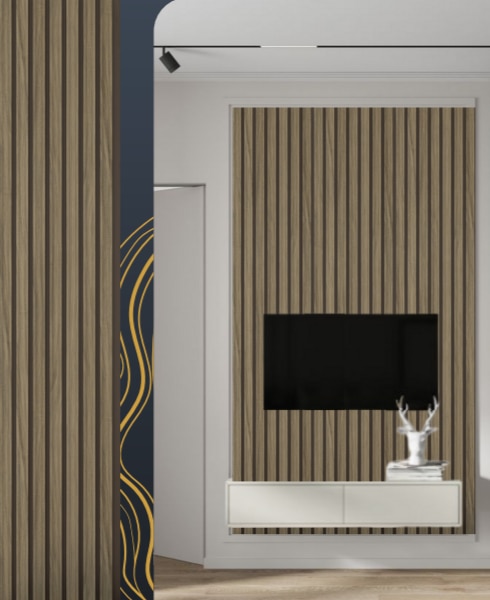 | LOUVERS LOUVERS ₹1000 WIDTH: 6INCH LENGTH: 9.5FT PACKING PER BOX: 10 PANEL AREA PER PANEL: 6 SQFT AREA PER BOX: 60SQFT MATERIAL: WPC WARRANTY: 10 YEAR |
 | Garware Suncontro Defebdowindo Film Suncountrol Film Garware Brand solar energy rejection 35%to99% View product → |
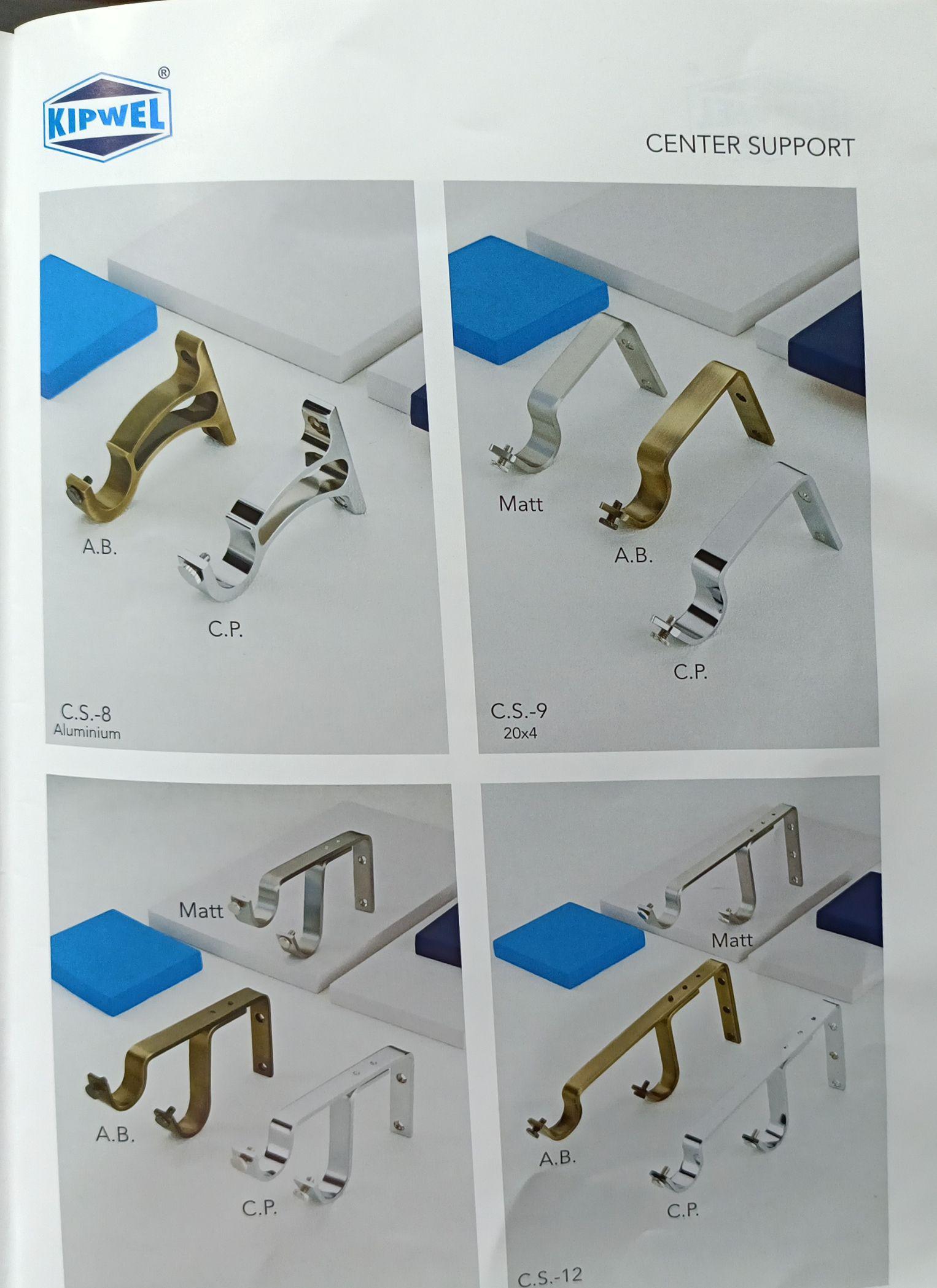 | CURTAIN ACCESSORIES BRACKET ₹250 Beautiful Doom Curtain Brackets with Support Brackets Inclusive of 1 Pair Curtain Bracket. |
 | Wallaper Wallaper Wallpaper Wholesale – Premium Collection by Dels Decor Dels Decor is a leading name in wallpaper wholesale, offering an exclusive range of premium... |